
Discover Europe’s Heartbeat: A Guide to Its Most Enchanting River Cruises
Cruising Europe’s coastal beauty is an increasingly popular and intimate way to admire the landscapes, docking directly in charming towns, and taking in the local culture. By 2026, four rivers dominate the European cruise market each offering a distinct experience, from the grand imperial scale of the Danube to the intimate, wine-focused curves of the Douro.
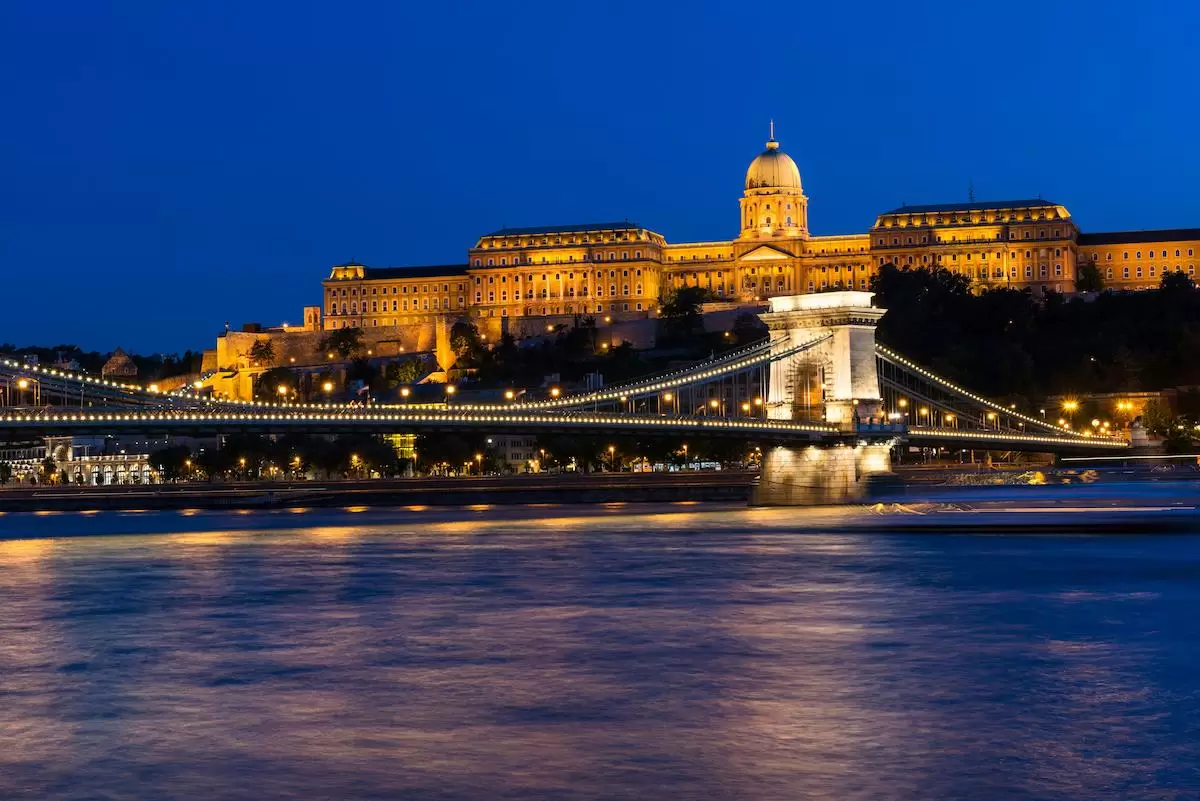
The Danube: Imperial Grandeur and Romantic Vistas
As Europe’s second-longest river, The Danube carves a majestic path through ten countries. Its main route is between Budapest, Hungary and Passau/Regensburg, Germany. This journey is more than a cruise; it is a front-row seat to the evolution of Central European high culture.
The Danube is unique for its “Imperial Triple Crown,” passing through three of Europe’s most distinct capitals:
Budapest: Often called the “Paris of the East,” the city is split by the river. The Buda side offers ancient history, while Pest showcases the Hungarian Parliament Building—a Neo-Gothic masterpiece.
Vienna: The city of music. Travelers can explore the Hofburg Palace and the baroque splendor of Schönbrunn, or spend an afternoon in a traditional coffee house before a night of Strauss waltzes.
Bratislava: Slovakia’s capital offers a more intimate experience, with a charming Old Town and a white castle looking down upon the river.
Iconic Landmarks & Cultural Treasures
Melk Abbey (Austria): This Benedictine abbey is a masterpiece of Baroque architecture. Its library and marble hall are legendary, and its bright yellow facade provides a stunning contrast against the blue of the river.
The Wachau Valley: A UNESCO World Heritage site, this 36-kilometer stretch of the Austrian Danube is perhaps the most romantic. Here, you will admire terraced vineyards producing world-class Riesling and Gruner Veltliner, and the air is scented by the valley’s famous apricot orchards.
Dürnstein: Located within the Wachau, this village is instantly recognizable by the bright blue tower of its abbey and the ruins of the castle where Richard the Lionheart was once imprisoned.
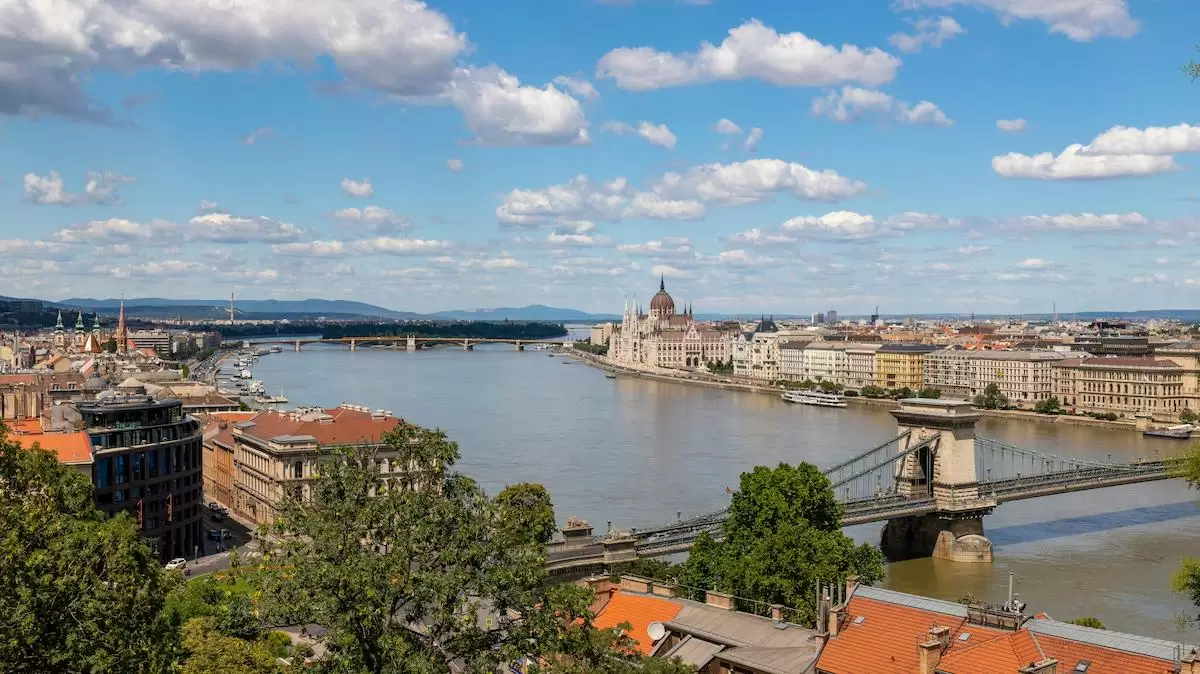
The Rhine: Castles, Cathedrals, and Legends
From the Swiss Alps to the North Sea, the Rhine River is a pathway through some of Europe’s most iconic scenery and historical treasures. It is famous for the “Romantic Rhine” stretch in Germany, where the river narrows and steep hills are topped with more castles per mile than anywhere else on earth. The main route is Amsterdam, Netherlands to Basel, Switzerland.
Iconic Landmarks & Cultural Treasures
Cologne Cathedral: This Gothic masterpiece is a marvel of twin spires and intricate stonework. Its location, just steps from the docks, offers an unforgettable first impression of Germany’s architectural grandeur.
The Upper Middle Rhine Valley: This UNESCO World Heritage site is the crown jewel of the journey. For 65 kilometers, the river transforms into a fairytale landscape featuring over 40 hilltop fortresses, terraced vineyards and half-timbered villages that time forgot.
The Lorelei Rock: Rising 132 meters above the waterline, this steep slate cliff is the source of haunting German folklore. Legend tells of a siren whose song lured sailors to their doom in the river’s narrowest, deepest point.
Strasbourg’s “La Petite France”: Located in the Alsace region, this district is a mosaic of 16th-century homes and flower-decked bridges. It perfectly blends French elegance with German structural charm.
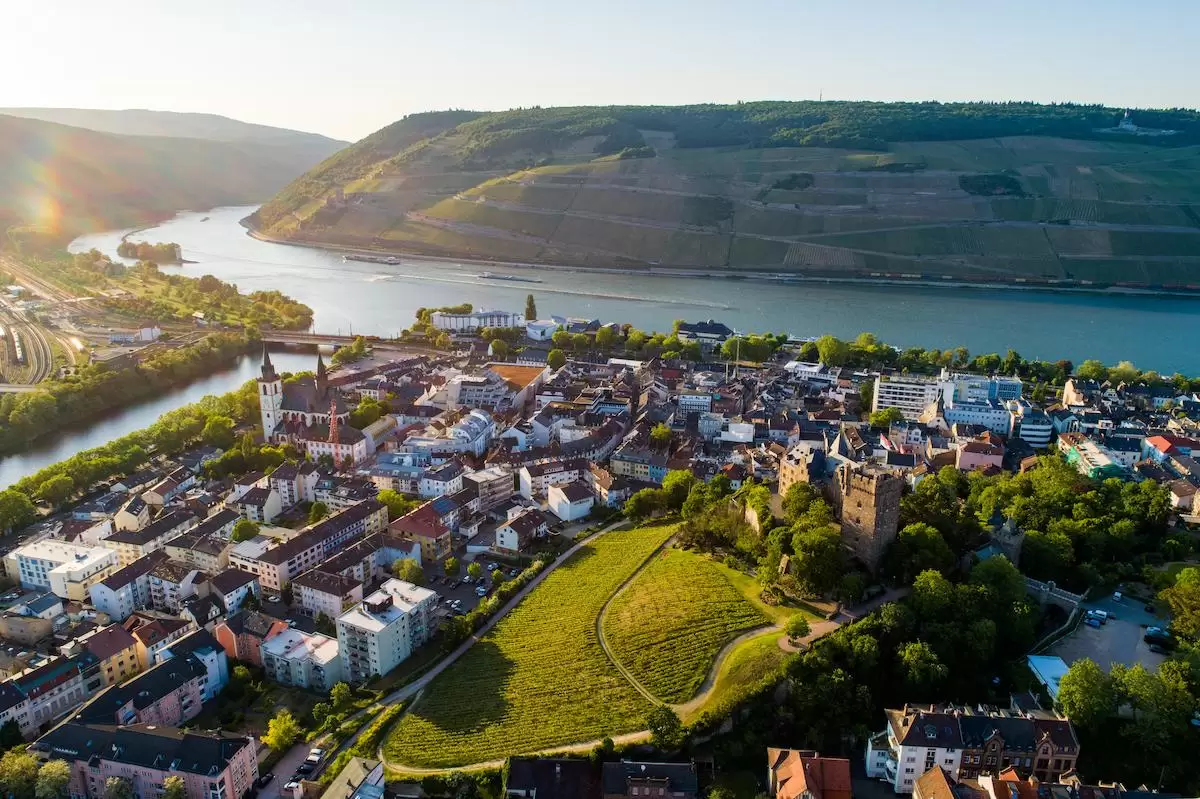
No journey on the Rhine is complete without a stop in Rüdesheim am Rhein. This quintessential wine town is famous for the Drosselgasse, a narrow cobblestone lane filled with live music and traditional taverns. Here, you can sample world-class Riesling harvested from the very vineyards that line the riverbanks.
The Rhône: The Spirit of Southern France
A journey along the Rhône offers a look into Provence and Burgundy, where the focus shifts from grand monuments to the sensory pleasures of lavender-scented air and world-class gastronomy. The journey typically begins in Lyon, the undisputed gastronomic capital of France. Whether you are exploring the “bouchons” (traditional Lyonnais eateries) or wandering through vibrant open-air markets, every stop is a celebration of flavor.
Iconic Landmarks & Cultural Treasures
The Pont du Gard: Is a masterpiece of ancient engineering and one of the best-preserved Roman monuments in the world. Originally built in the 1st century AD to carry water to the city of Nîmes, it stands as a testament to the ingenuity of the Roman Empire.
The Arles Amphitheatre: Built around 90 AD, this monumental arena is the beating heart of Arles. In its prime, it echoed with the roars of 20,000 spectators gathered for gladiator battles and public spectacles. Its sheer scale provides a vivid testament to the engineering brilliance of the Roman Empire.
Théâtre Antique d’Orange: Widely considered the best-preserved Roman theater in Northern Europe, this site is famous for its towering stage wall which has stood largely intact for 2,000 years. Its legendary acoustics are still put to use today for the Chorégies d’Orange Opera Festival, where a massive statue of Emperor Augustus looks down from his original niche, presiding over the performances as he did in the past.
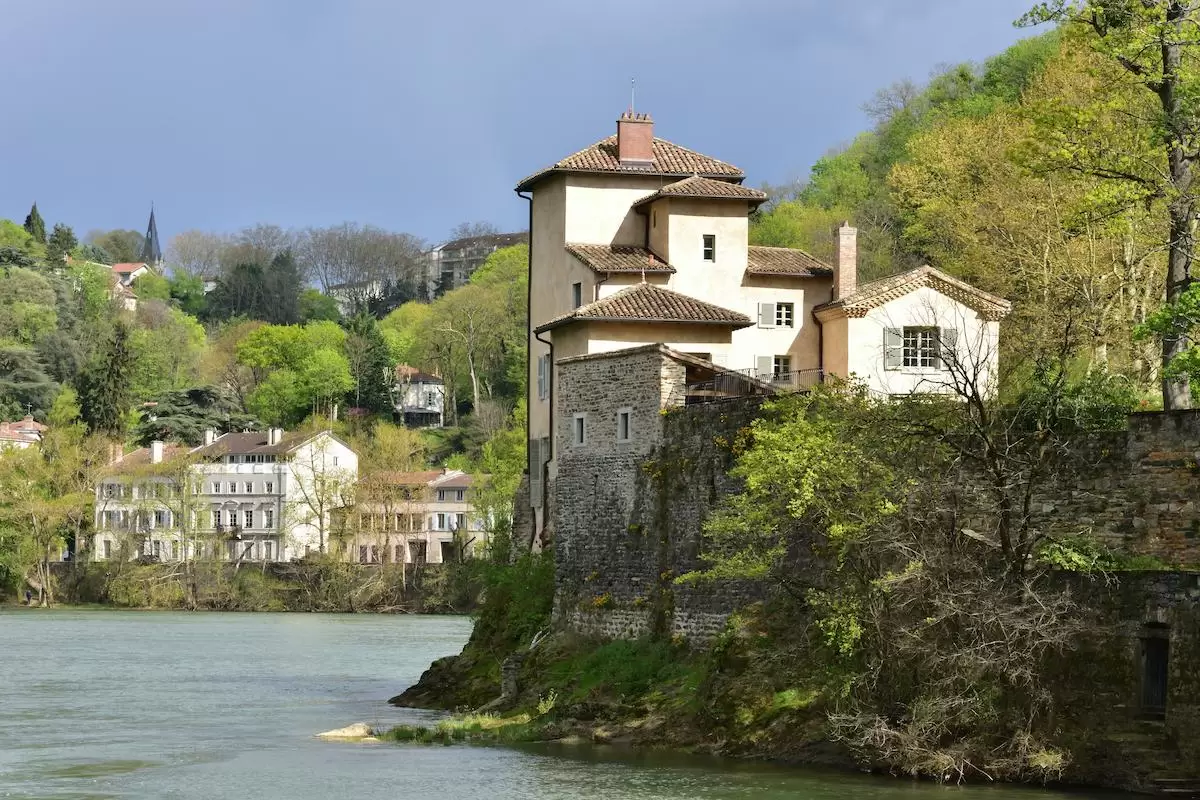
The Douro: River of Gold
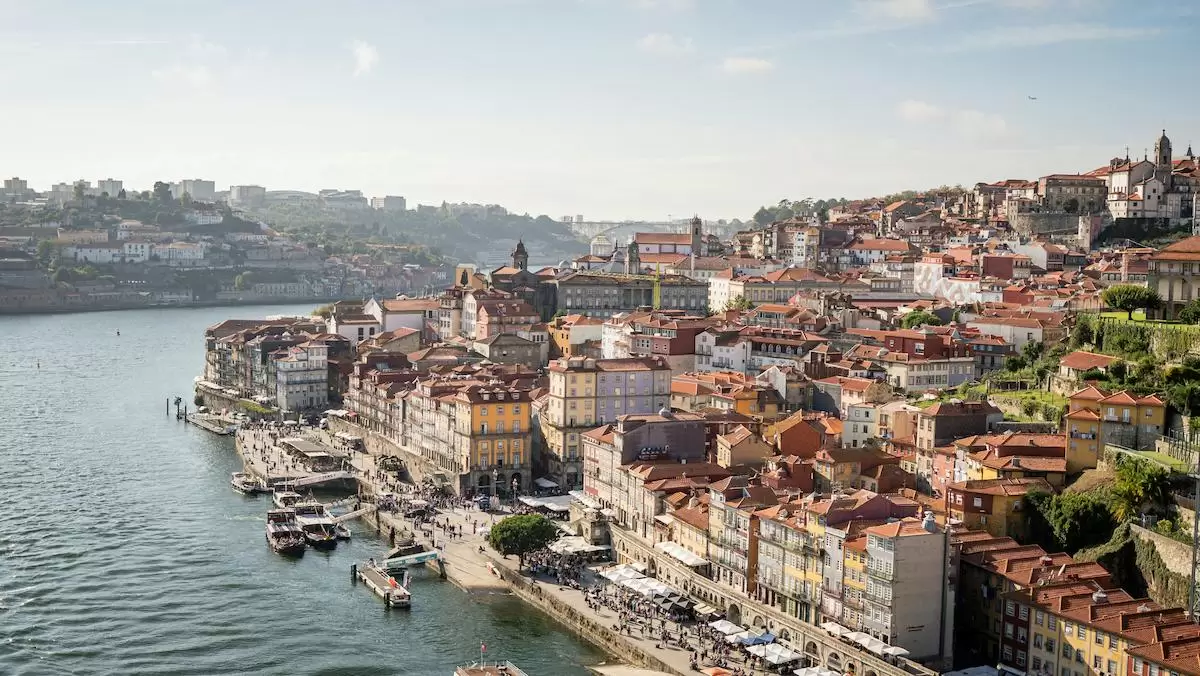
Douro is perhaps the most distinctive river in Europe because of its narrow locks and the winding nature of its canyons. The journey typically begins and ends in Porto, a UNESCO World Heritage city famous for its colorful hillsides and historic port wine cellars. From here, the river ventures eastward toward the Spanish border, carving through the Douro Valley, the oldest wine region in the world.
Iconic Landmarks & Cultural Treasures
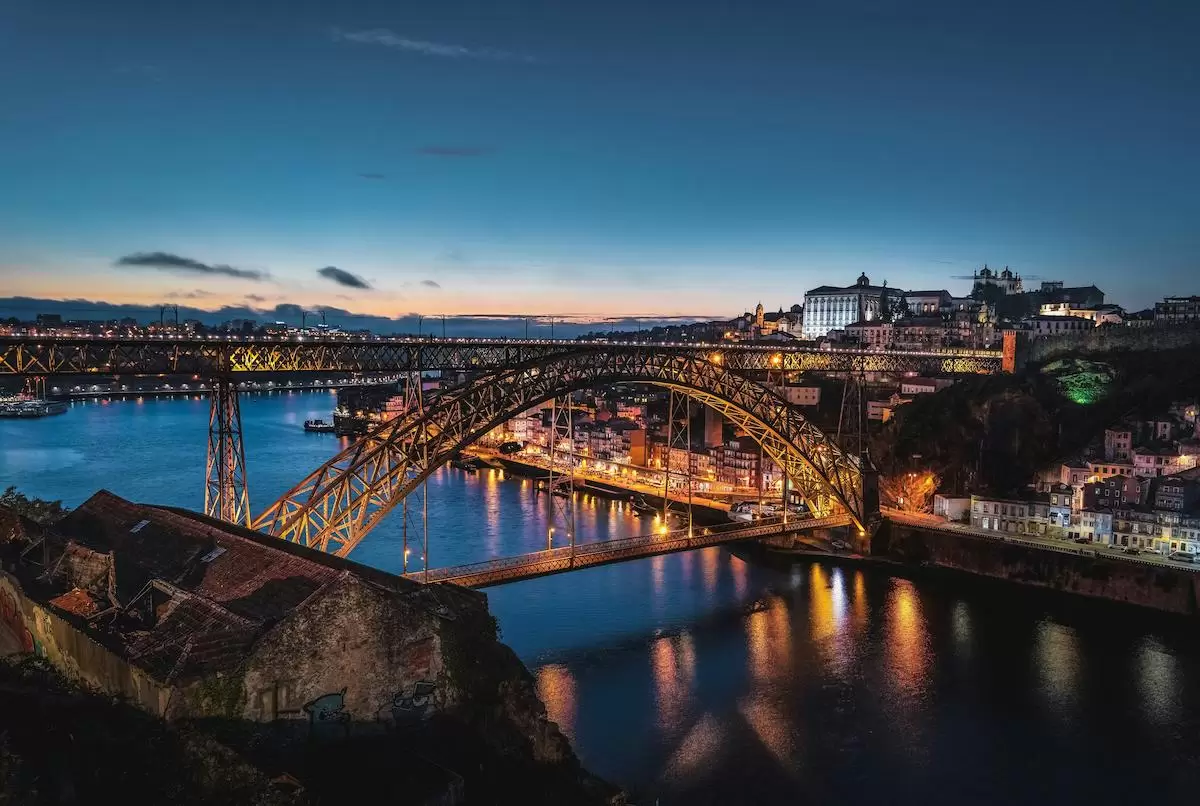
The Ribeira District & Dom Luís I Bridge (Porto): The starting point of most journeys, this UNESCO World Heritage waterfront is a mosaic of narrow medieval streets and colorful tiled facades. The towering Dom Luís I Bridge, a double-deck iron marvel designed by a disciple of Gustave Eiffel, serves as the dramatic gateway between the historic city and the wine lodges of Gaia.
Pinhão Railway Station: Often cited as the most beautiful train station in Portugal, this 19th-century landmark is famous for its 24 tile panels. Composed of over 3,000 blue-and-white tiles, these murals depict the traditional “vindimas” (grape harvests) and the historic rabelo boats that once braved the river’s rapids.
Mateus Palace: An 18th-century icon of the Portuguese Baroque style, Mateus Palace is an architectural gem with stone pinnacles, intricate woodwork, and a stunning “water mirror” reflecting pool surrounded by gardens, which are considered some of the most beautifully maintained in Europe.
Sanctuary of Nossa Senhora dos Remédios: Perched atop a hill overlooking the town of Lamego, this monumental shrine is reached via a zigzagging Baroque staircase with 686 steps. The climb is accompanied by fountains, statues, and elaborate tile work, offering a spiritual and architectural experience unlike any other in the valley.
Côa Valley Archaeological Park: This UNESCO site contains thousands of Paleolithic rock engravings dating back over 20,000 years. It is one of the world’s most significant open-air sites of prehistoric art.
Castelo Rodrigo: One of Portugal’s twelve “Historical Villages,” this hilltop fortress overlooks the Spanish border. Its cobblestone streets, ruins of a 13th-century castle, and manueline windows offer a glimpse into the medieval defense of the kingdom. It is a place where time seems to have stood still for centuries.
If you’re chasing the sun, the Douro’s Mediterranean glow is the perfect escape, boasting much higher temperatures and clearer skies than its northern neighbors. Because these narrow waters are reserved for smaller, more exclusive ships, you’ll trade the crowds of the Danube for a private, ‘hidden gem’ feel. Start planning and let us design the perfect River Cruise Adventure around Europe for you.